
It’s a twist that only cricket can deliver. England, national cricket team didn’t just win their match; they inadvertently kept the dream alive for their rivals. On June 14, 2024, amidst the humid Caribbean air of Jamaica, a single victory reshaped the entire landscape of the ICC Men's T20 World Cup 2024West Indies and USA. For Pakistan Cricket Board, it meant one thing: mathematical elimination was delayed. Their pride remained intact.
Here’s the thing about tournament cricket—it’s not just about winning matches. It’s about who wins them, by how much, and against whom. When England crushed Oman in a dominant display, they improved their own Net Run Rate (NRR) significantly. But oddly enough, this result also prevented Pakistan from being knocked out immediately. If England had lost or won by a smaller margin, the points table would have shifted dramatically, likely ending Pakistan’s campaign right then and there.
The Mathematics of Survival
To understand why this matters, you need to look at the Super-8 structure. The tournament moved from group stages into two groups of four teams. Only the top two from each group advance to the semi-finals. Points are king here: two for a win, one for a tie/no-result, zero for a loss. But when points are equal? That’s where NRR comes in. It’s the difference between runs scored per over and runs conceded per over.
Pakistan entered this phase with mixed fortunes. They needed big wins—massive margins—to boost their NRR. Simultaneously, they needed other teams to stumble. England’s comprehensive victory over Oman created a scenario where Pakistan wasn’t mathematically eliminated yet. It was a narrow window, sure, but it was open. As one analyst put it, "Pakistan needed a miracle, but England handed them a sliver of hope instead of closing the door completely."
The details are still unfolding, but the initial reaction from fans was relief tinged with skepticism. Could Pakistan really pull it off? The odds were stacked against them. They faced tough opponents like South Africa and India in the same group. Every ball counted. Every run mattered.
A Fragile Hope Shatters
But wait. Just when things looked slightly manageable, the plot thickened. Later reports indicated that South Africa’s victory over England by seven runs changed everything again. This result tightened the race further, making Pakistan’s path even more treacherous. Suddenly, that “sliver of hope” began to shrink.
South Africa, managed by Cricket South Africa, secured a crucial spot near the top of the standings. Their win meant Pakistan now needed not just big wins, but specific outcomes in other matches too. Imagine needing Team A to lose by exactly 5 wickets while Team B wins by 3 runs. That’s the kind of complex web Pakistan found themselves tangled in.
Experts noted that while Pakistan remained theoretically alive, practically speaking, their chances dwindled rapidly. "It’s calculator-based possibility," said one commentator. "On paper, yes. In reality? Nearly impossible."
Stakeholders React
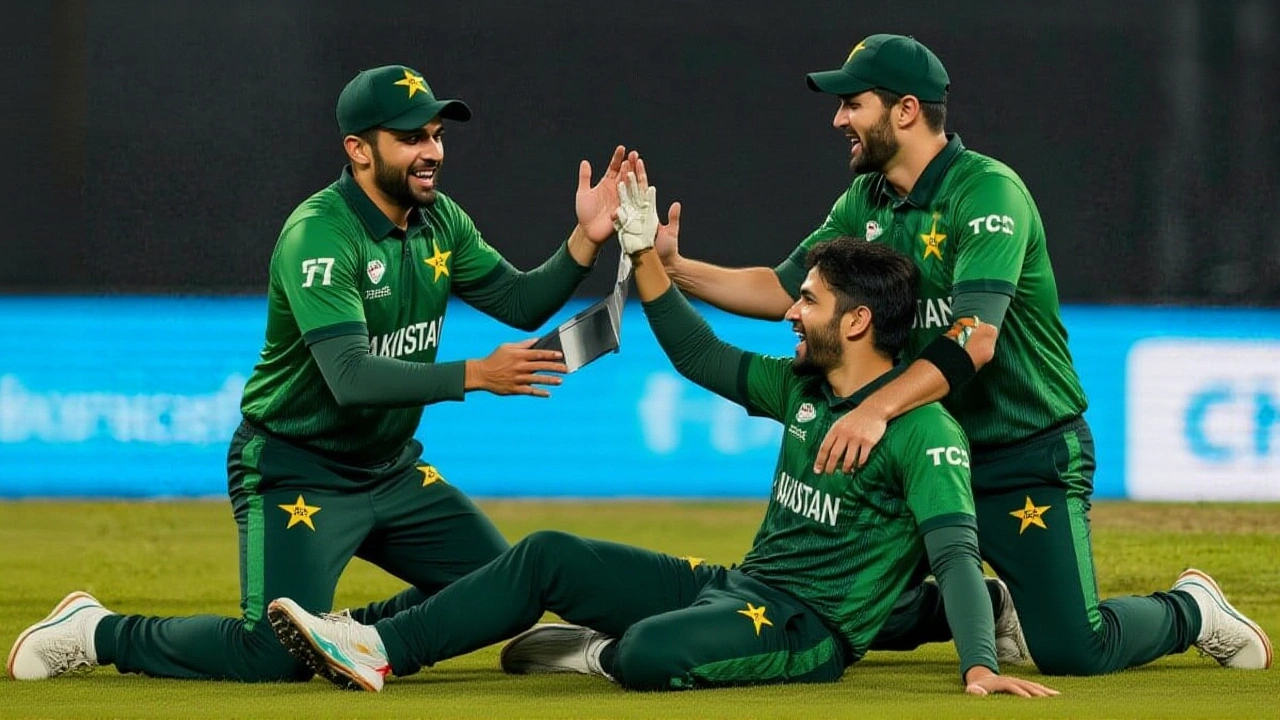
For the players on the field, the pressure must have been immense. Captain Babar Azam and his squad knew every decision carried weight. Fans back home watched anxiously, refreshing scorecards every few minutes. Social media erupted with debates about whether Pakistan could make a comeback.
Meanwhile, England celebrated their performance. Having struggled earlier in the tournament, their strong showing in Jamaica signaled a resurgence. Joe Root and Jos Buttler led from the front, reminding everyone why England remains a formidable force in white-ball cricket.
Oman, on the other hand, played with heart despite the heavy defeat. Represented by Oman Cricket, an associate member of the ICC, they proved that underdogs can compete on the biggest stage—even if they don’t always win.
Broader Implications
This saga highlights something deeper about modern cricket. With associate nations like Afghanistan and Nepal rising, traditional powerhouses face unprecedented challenges. The gap is narrowing. Matches are tighter. Outcomes are less predictable.
Moreover, the role of NRR has become increasingly controversial. Critics argue it encourages aggressive batting early on, sometimes at the expense of smart cricket. Supporters say it rewards dominance. Either way, it decides tournaments—and careers.
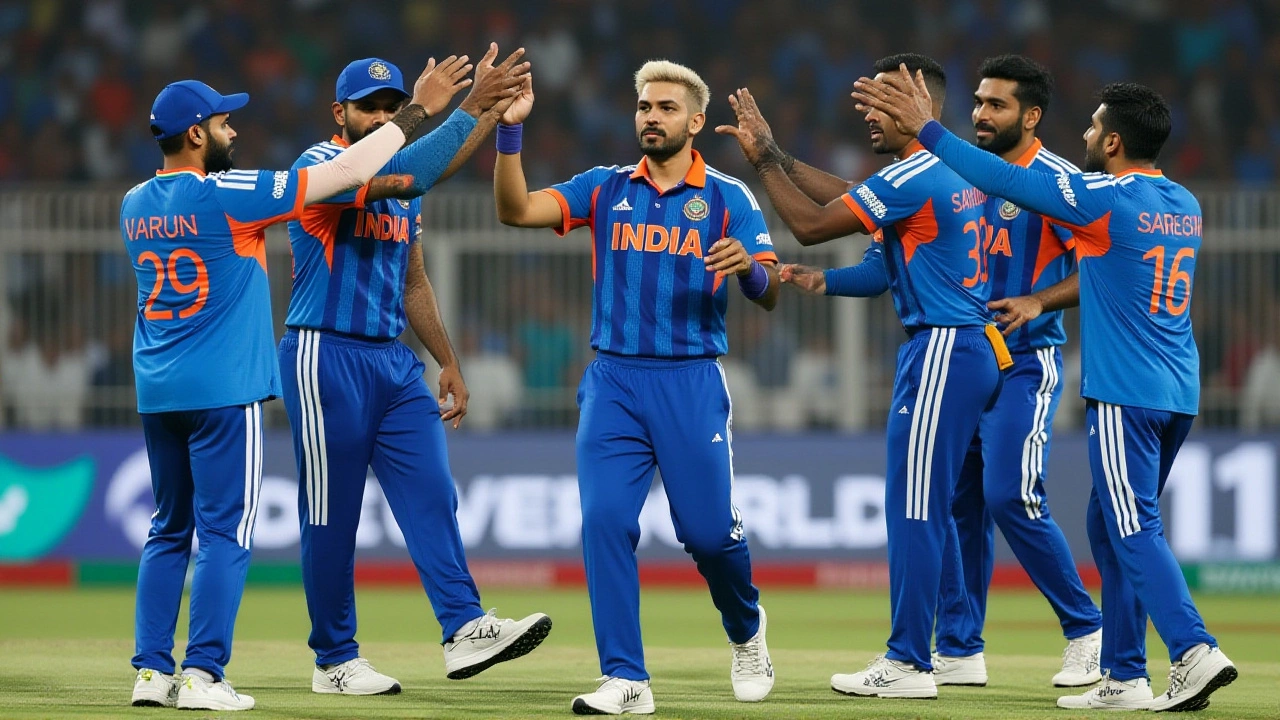
Looking ahead, the remaining Super-8 matches will determine the final four. Each game carries do-or-die stakes. For Pakistan, it’s no longer about qualifying comfortably—it’s about survival. And survival often requires miracles.
What’s Next?
All eyes turn to the upcoming fixtures. Who advances? Who goes home? The answers lie in the next few days. One thing is certain: cricket continues to deliver drama beyond expectation.
Frequently Asked Questions
How did England’s win help Pakistan stay in contention?
England’s large-margin victory improved their Net Run Rate, which indirectly affected the points table dynamics. Since Pakistan shares a group with England, a better NRR for England meant Pakistan wasn’t immediately eliminated due to inferior metrics. It kept their theoretical chance alive, albeit slim.
Why is Net Run Rate so critical in the Super-8 stage?
In the Super-8, teams play fewer matches, so points differences are minimal. When multiple teams finish with equal points, NRR becomes the tiebreaker. A small change in runs scored or conceded can shift rankings drastically, making every ball count toward qualification.
Did South Africa’s win impact Pakistan’s chances negatively?
Yes. South Africa’s narrow win over England altered the balance of power in the group. It strengthened South Africa’s position while complicating Pakistan’s path. Now, Pakistan needed both massive wins and favorable results elsewhere—a nearly impossible combination.
What does “saving pride” mean in this context?
“Saving pride” refers to avoiding immediate mathematical elimination. Even though Pakistan’s chances were tiny, staying technically alive allowed them to continue playing without the stigma of being knocked out prematurely. It preserved dignity until the very end.
Can Pakistan still reach the semi-finals?
Mathematically, yes—but realistically, it’s highly unlikely. They’d need consecutive big wins plus specific losses by other teams. Given the strength of opponents like India and South Africa, such a scenario borders on miraculous.