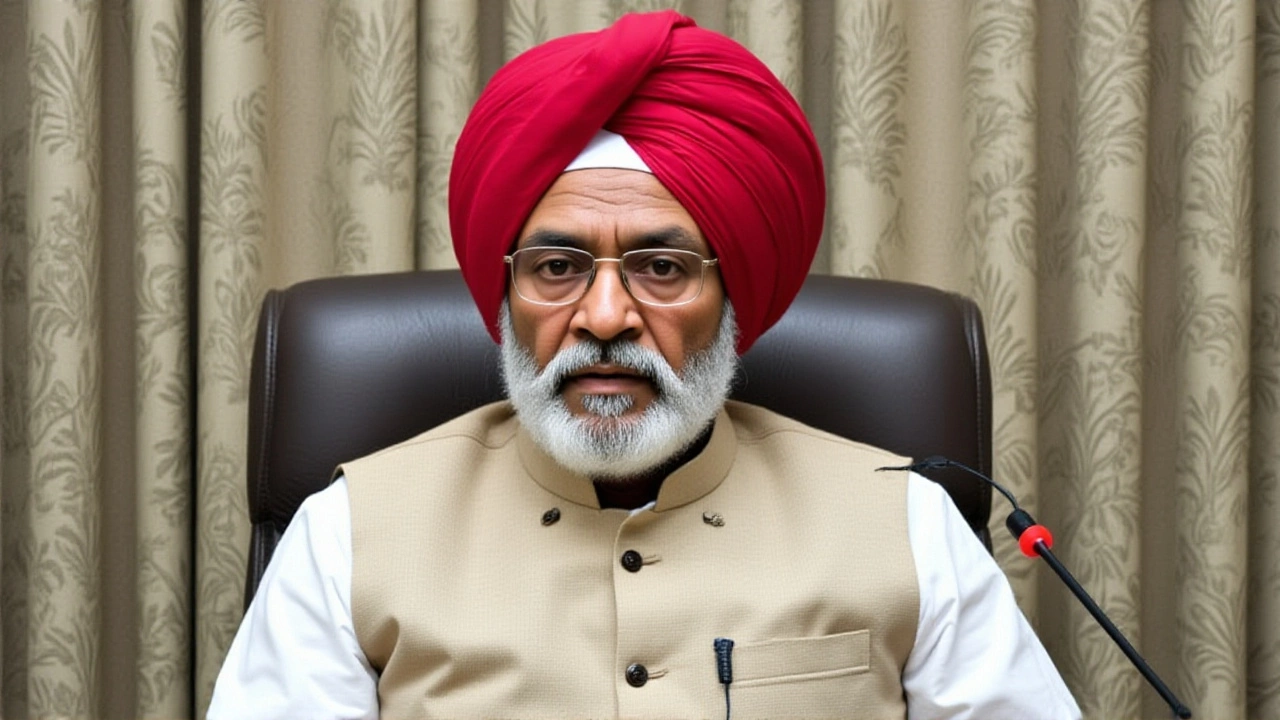
When Narendra Modi, Prime Minister of India, called an emergency high-level review meeting on Sunday, the stakes couldn't have been higher. The escalating military confrontation in West Asia between the United States, Israel, and Iran has triggered severe disruptions in global energy markets. With the Strait of Hormuz—the world’s most critical oil chokepoint—under threat, New Delhi moved quickly to ensure that India’s supply of petroleum, natural gas, fertilizers, and electricity remains uninterrupted.
Here’s the thing: this isn’t just another geopolitical headline. For a country like India, which imports over 85% of its crude oil, any blockage in the Persian Gulf is an immediate economic emergency. The recent surge in hostilities, marked by coordinated airstrikes dubbed "Operation Epic Fury" by Washington and "Operation Lions Roar" by Jerusalem, followed by Iran’s retaliatory "Operation True Promise IV," has pushed regional tensions to a breaking point not seen since the early 2020s.
The Immediate Response in New Delhi
In the capital, the atmosphere was tense but focused. Alongside Prime Minister Modi, key cabinet members including Amit Shah, Home Minister, J.P. Nadda, Union Minister, and Hardeep Singh Puri, Petroleum and Natural Gas Minister reviewed the logistics chain from source to refinery. The directive was clear: no disruptions allowed.
But wait, there’s more coordination happening behind the scenes. In a separate all-party meeting at Parliament House, Rajnath Singh, Defense Minister, briefed opposition leaders alongside S. Jaishankar, External Affairs Minister, and Foreign Secretary Vikram Misri. The government’s message was blunt: "There is no shortage of petroleum products." They emphasized that panic buying would be counterproductive, citing advanced orders already placed with international suppliers.
Navigating the Chokepoint
The real test lies in the waters off the Arabian Peninsula. Reports indicate that four Indian vessels have successfully navigated out of the Strait of Hormuz, while others are preparing to follow. This is a significant logistical win, considering many foreign ships remain stranded or rerouted due to heightened naval risks. Interestingly, the government also confirmed the evacuation of 425,000 citizens from affected zones, though details on their specific origins remain vague.
Turns out, India hasn’t been sitting idle. Over the past few years, New Delhi has diversified its energy imports from 27 countries to 41, reducing reliance on any single region. This strategic pivot means that while West Asia remains crucial, it’s no longer the sole lifeline. Still, the psychological impact of seeing tankers delayed is palpable across trading floors and fuel stations alike.
Strategic Reserves and Backup Plans
So, what’s the safety net? India currently holds a Strategic Petroleum Reserve (SPR) exceeding 5.3 million tonnes, with plans to expand it to 6.5 million tonnes. Think of this as a national savings account for oil—meant to cushion shocks during supply crises. Analysts suggest these reserves could sustain domestic needs for several weeks if shipments halt completely.
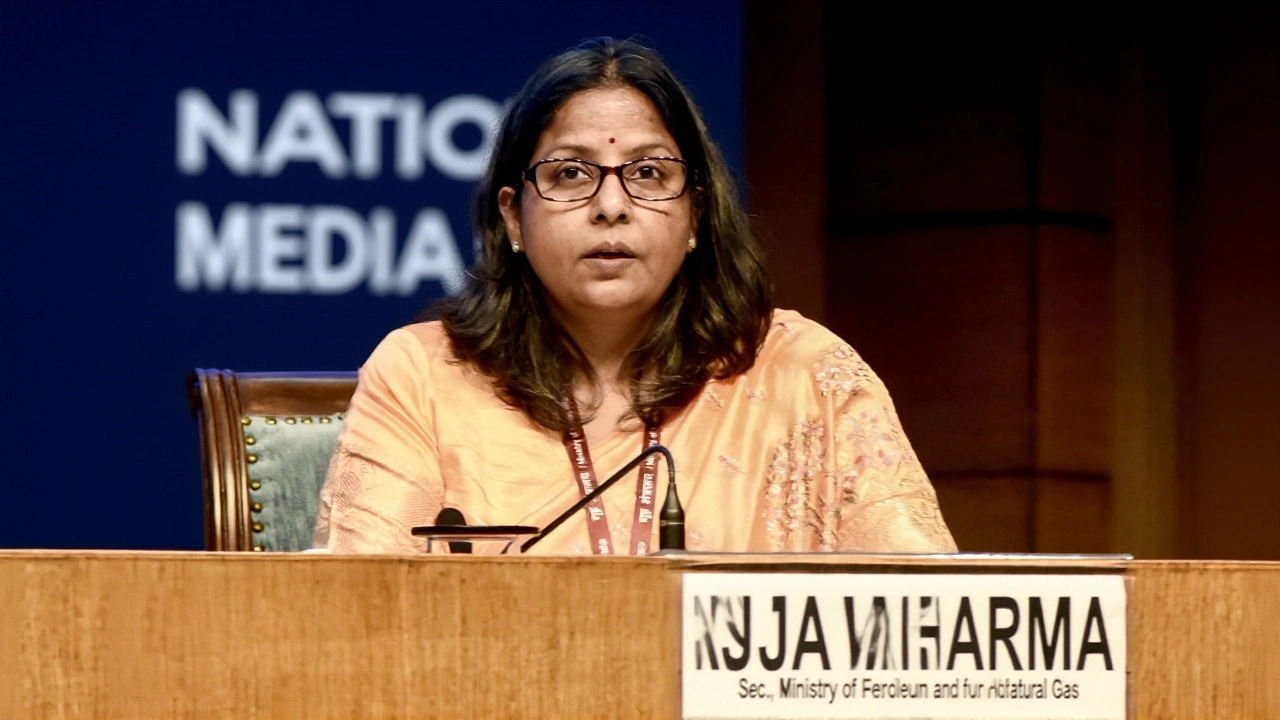
Additionally, the government is boosting production of piped natural gas (PNG) and domestic LPG to reduce import dependency for urban consumers. Seven new empowered groups have been formed under the Prime Minister’s directive to monitor LPG supplies, essential services, and commodity flows. These task forces will provide real-time assessments to prevent bottlenecks before they become headlines.
What Experts Are Saying
Energy security experts note that while India’s diversification strategy is robust, the volatility of the current conflict introduces unpredictable variables. "The Strait of Hormuz handles about 20-30% of global oil trade," notes one analyst. "Any prolonged closure would spike prices globally, regardless of alternative sources." The Indian Navy has reinforced patrols in the Indian Ocean Region to protect merchant shipping, signaling a proactive stance rather than a reactive one.
Yet, questions linger. Will diplomatic efforts de-escalate the situation, or are we looking at a protracted crisis? The formation of monitoring committees suggests the government anticipates challenges ahead. Meanwhile, political opponents argue that more transparency is needed regarding contingency plans, especially concerning fertilizer supplies linked to natural gas prices.
Looking Ahead
The coming weeks will be critical. If the conflict intensifies, expect further announcements on rationing mechanisms or price controls. However, officials insist that current stockpiles and forward contracts are sufficient to maintain stability. For now, the focus remains on keeping the flow steady—both physically, through secure shipping lanes, and politically, through balanced diplomacy with all parties involved.
Frequently Asked Questions
How does the West Asia conflict affect everyday Indians?
While direct shortages are currently avoided, prolonged disruption could lead to higher petrol, diesel, and cooking gas prices. Increased transportation costs may also raise the price of vegetables and other essentials. The government aims to mitigate this through strategic reserves and import diversification.
Is the Essential Commodities Act being invoked?
No official announcement has been made regarding the invocation of the Essential Commodities Act, 1955, for natural gas or petroleum products. Current measures rely on market monitoring, strategic reserves, and administrative coordination rather than legal restrictions on trade.
What is the status of Indian ships in the Strait of Hormuz?
Four Indian vessels have safely exited the Strait of Hormuz recently, with more expected to follow. The Indian Navy has increased presence in the region to escort merchant ships and ensure safe passage amid rising military tensions between Iran and Western powers.
How much oil can India survive without imports?
India’s Strategic Petroleum Reserve holds over 5.3 million tonnes of crude oil, enough to cover approximately 10-12 days of net import requirements. Plans are underway to increase this capacity to 6.5 million tonnes, providing a buffer against short-term supply shocks.
Who attended the high-level meeting led by PM Modi?
Key attendees included Home Minister Amit Shah, Union Minister J.P. Nadda, and Petroleum Minister Hardeep Singh Puri. A separate all-party parliamentary meeting was chaired by Defense Minister Rajnath Singh, featuring External Affairs Minister S. Jaishankar and opposition leaders.