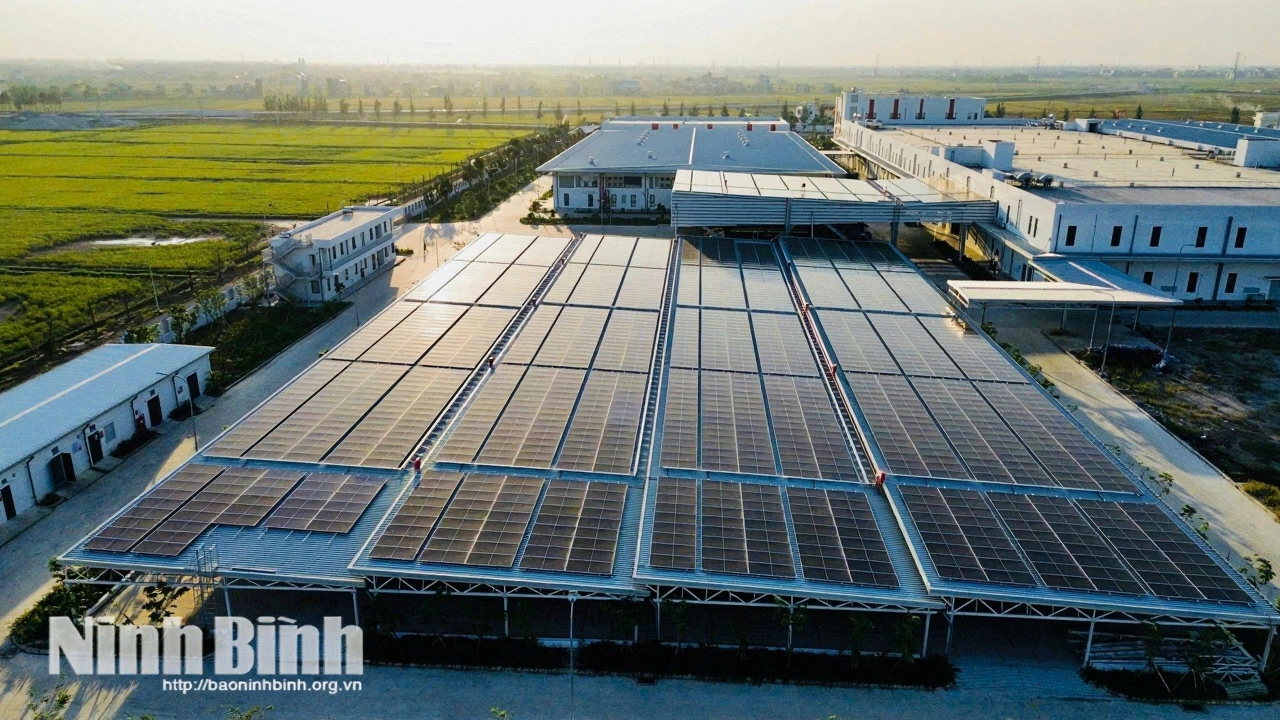
When Ninh Binh Power Company released its latest grid data, the numbers told a story of quiet revolution on residential rooftops across northern Vietnam. By the end of April 2026, more than 1,200 customers in Ninh Binh Province had installed rooftop solar systems, generating a combined capacity of over 92.95 megawatts-peak (MWp). It’s not just about saving money on bills; it’s becoming a critical buffer against the region’s increasingly volatile peak-season power demands.
The twist is that this isn't happening in a vacuum. As temperatures rise during the dry season, the local electrical grid faces immense strain. Traditionally, this meant brownouts or heavy reliance on centralized fossil-fuel plants. But now, thousands of individual homes and businesses are acting as micro-power stations, feeding clean energy back into the system exactly when the sun is hottest and air conditioners are running at full blast.
Crunching the Numbers: A Growing Distributed Grid
Let’s look at the specifics, because they’re harder to ignore than you might think. The official figures from Ninh Binh Power Company show that by April 30, 2026, the province had crossed a significant threshold. We’re talking about 1,200+ installations contributing nearly 93 MWp of capacity. To put that in perspective, that’s enough potential power to supply tens of thousands of households during daylight hours.
Here’s why those numbers matter. In previous years, the province struggled with load-shedding during July and August. This year? The pressure was noticeably lower. Why? Because when the sun is beating down hardest, these rooftop panels are working overtime. They offset the need for the central grid to pull massive amounts of electricity from distant coal or gas plants. It’s a decentralized solution to a centralized problem.
- Total Installations: Over 1,200 customer sites
- Combined Capacity: 92.95+ MWp
- Data Cut-off: April 30, 2026
- Primary Driver: Peak season grid stabilization
The Consumer Angle: Real Savings, Real Fast
But wait, let’s talk about the people behind the panels. It’s not just corporate strategy; it’s personal finance. One local resident shared their experience after investing 220,000,000 Vietnamese Dong (VND) – roughly $8,800 USD at current rates – into a rooftop system last April.
Surprisingly, the payoff started almost immediately. Within just one month of usage, they noticed a distinct drop in their electricity bill. During the day, their home ran entirely on solar radiation. At night, or on cloudy days, they seamlessly switched back to the grid. It’s a hybrid approach that makes economic sense. You aren’t just buying green energy; you’re hedging against rising utility costs.
"The details are still unclear" regarding long-term maintenance costs for every homeowner, but the initial ROI (Return on Investment) is compelling. For many Vietnamese families, this isn't an environmental statement first; it's a financial one. The environment benefits, sure, but the bank account feels it too.
Grid Stability: More Than Just Green Energy
For Ninh Binh Power Company, this surge in rooftop adoption is a strategic win. The company, responsible for distribution and consumer data in the province, has been actively encouraging this shift. They view distributed solar not as a competitor, but as a partner in grid management.
Think of it like traffic flow. If everyone drives to the city center at 5 PM, gridlock happens. But if some people work from home or take alternate routes, the main arteries stay clear. Rooftop solar does the same for electricity. It reduces the peak load on the transmission lines, extending the life of infrastructure and reducing the risk of blackouts during heatwaves.
This aligns with broader national trends in Vietnam, where the government has been pushing for renewable energy integration. However, Ninh Binh is showing how local implementation can accelerate these goals without waiting for massive state-led projects. It’s bottom-up change.

What’s Next for Solar in Ninh Binh?
So, where do we go from here? The data stops at April 2026, but the momentum suggests continued growth. As battery storage technology becomes cheaper and more accessible, homeowners won’t just be daytime producers; they’ll become round-the-clock energy buffers. Imagine storing that midday surplus to use during the evening peak. That’s the next logical step.
We also expect to see more standardized installation guidelines. Right now, the market is somewhat fragmented. Different brands, different inverters, varying warranty terms. Standardization will help build trust and make financing easier for average consumers who want to join the 1,200+ club.
There’s no specific new policy announcement date yet, but the trend line is clear. Ninh Binh Province is proving that small-scale solar can have large-scale impacts. It’s a model other provinces in Vietnam—and indeed, Southeast Asia—might well copy.
Frequently Asked Questions
How much does it cost to install a rooftop solar system in Vietnam?
Based on recent reports, a typical residential installation can cost around 220,000,000 VND (approximately $8,800 USD). This price varies depending on the size of the system, the quality of panels, and labor costs, but it generally pays for itself through reduced electricity bills within a few years.
Why is rooftop solar important for peak seasons?
During peak seasons, usually summer months, electricity demand spikes due to air conditioning use. Rooftop solar generates maximum power during the hottest part of the day, directly offsetting this high demand. This reduces strain on the central grid, preventing blackouts and lowering overall energy costs for the community.
Who manages the solar data in Ninh Binh Province?
The Ninh Binh Power Company is the official entity responsible for collecting and reporting data on electricity distribution and consumer installations in the province. They provided the statistics showing over 1,200 installations by April 2026.
Can I sell excess solar power back to the grid?
Yes, most modern rooftop systems are grid-tied. When your panels produce more electricity than your home uses during the day, the excess is fed back into the local grid. While specific feed-in tariffs vary, this mechanism helps stabilize the grid and often provides credits on your monthly bill.
Is there a future expansion plan for solar in the region?
While no specific new project dates were announced in the latest report, the rapid growth to 92.95 MWp indicates strong momentum. Experts predict continued adoption as battery storage becomes more affordable, allowing for greater energy independence and grid support beyond daylight hours.